
Prime Highlights
- Pearl Global’s order book is considerably stronger than a year ago, with demand stable across the US, Europe, the UK, Japan, and Australia.
- The US accounts for around 50% of group sales, with consumer sentiment remaining resilient despite geopolitical and inflation pressures.
Key Facts
- Pearl Global Industries is a Gurugram-based garment supplier and clothing vendor with an annual manufacturing capacity of over 100 million pieces.
- The company holds a market capitalisation of ₹7,694.04 crore, with shares up more than 18% over the past year.
Background
Pearl Global Industries is reporting strong demand across its key export markets and expects continued growth as it scales up manufacturing capacity. Pallab Banerjee, Managing Director and Group President of the Gurugram-based garment supplier, said the company’s order book is considerably stronger than it was a year ago.
Banerjee added that demand from key markets, including the US, Europe, the UK, Japan, and Australia, remains steady. After a period of caution associated with tariff talks, he continued, retailer confidence has returned, with some stores gaining market share and continuing to report strong business figures.
The United States remains Pearl Global’s largest market, accounting for around 50% of group sales. Banerjee said consumer sentiment in the country has stayed resilient despite geopolitical developments and inflation concerns. He noted that interactions with US customers showed no signs of a significant demand slowdown.
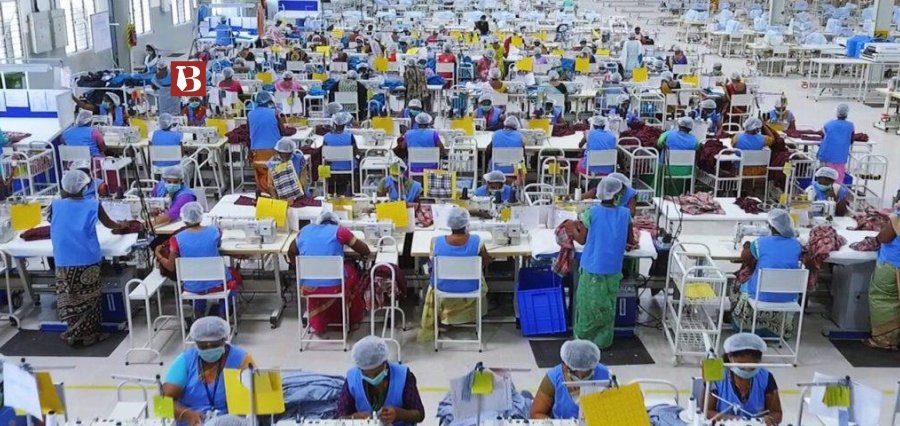
Pearl Global currently operates an annual manufacturing capacity of over 100 million garment pieces. Banerjee said investments made over the past year were aimed at positioning the company to capture growth as market conditions improve, and capacity expansion is set to continue.
On cost pressures, Banerjee said stronger demand across multiple markets has pushed up raw material prices. Higher energy and fuel costs, linked to recent geopolitical tensions, have added further strain. He noted that gains from currency movements are temporary, as rupee depreciation benefits are typically factored into future price negotiations with buyers, and raw material cost increases are passed on across subsequent ordering cycles.
Pearl Global’s shares have gained more than 18% over the past year.