
Building Advantage that Lasts
Markets evolve much quicker than most firms are able to adjust. Customers make comparisons in a matter of seconds, competitors quickly follow with similar products, and price wars break out overnight. Under such conditions, companies can no longer depend solely on their size or history. There is a need to carve out a distinct place for themselves in the market. It is at this point when Competitive Positioning becomes absolutely necessary.
Why Competitive Positioning Matters Now
Every business competes for the exact same scarce resource – customer attention. With products that appear identical and pricing that is similarly competitive, consumers fall back on the most clearly communicating company. Strong Competitive Positioning rises above this fray. It communicates to the market exactly why a business is in business, what it does better than anyone else, and why the competition can never measure up. If companies don’t do this, they get stuck in commoditization – forced to compete on price instead of value. A race to the bottom.
Business leaders that fail to plan strategically for Competitive Positioning will quickly find themselves playing catch-up after realizing the high price paid in failing to do so. They build great products, but those products don’t resonate because consumers can’t explain why they chose one brand over the other.
Building a Foundation for Differentiation
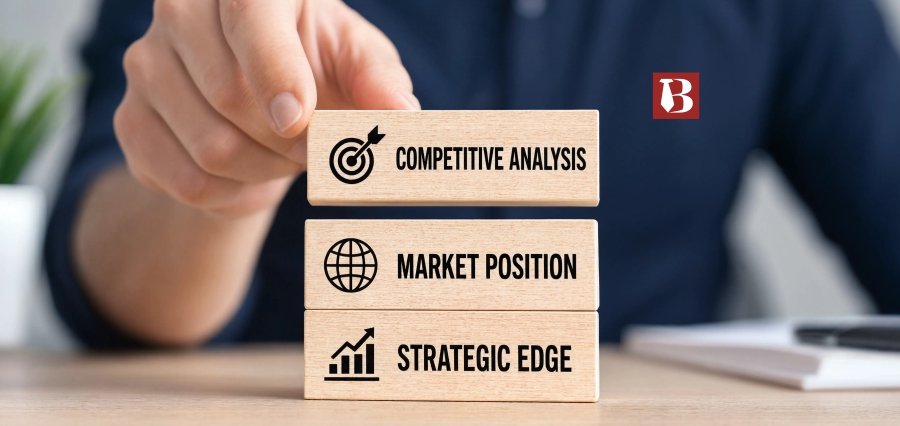
It is essential that a company be brutally honest about their strengths and weaknesses. Companies need to conduct thorough competitor analyses, understand what they lack compared to other companies and find the areas where they have an advantage over them. It cannot be done using only SWOT analysis; it needs constant market research and customer interviews as well as challenging existing perceptions.
When companies know what makes them unique and special, they can develop a positioning statement. This statement needs to answer three questions: who is our target audience? How do we solve problems better than any other company? Why should customers believe us? Answering these questions will provide everyone with a point of reference.
Turning Strategy into Daily Practice
Positioning is more than what goes into a slide deck. It should influence pricing decisions, determine product roadmaps, and inform team responses to competitive actions. Firms that integrate Competitive Positioning into their operations become more resilient to changes in the market environment. In cases where competitors reduce prices, a properly positioned firm doesn’t act hastily by reducing prices; instead, it emphasizes what makes it different and why it charges that way.
The salespeople in these firms gain significantly from such positioning. Rather than listing the features of their products like all other sales people, sales conversations will revolve around the particular pain points of customers and explain to customers why their product solves their problem better than others.
Adapting Positioning as Markets Evolve
Competitive Positioning can never be static because markets will always change and therefore the competitive position of any business organization should change accordingly. Some new companies will come into the industry, customer needs and wants will change, and the technology industry will change the perception of value. Therefore, companies that review their positioning every now and then as opposed to considering it as a once off activity are more likely to remain ahead of market changes.
Adaptability is the only way through which businesses will survive in the industry. For example, Kodak and Blockbuster were successful companies in their time but did not reposition themselves with the introduction of digital photography and video streaming services. On the other hand, some other companies such as Netflix and Adobe completely changed their positioning with the advent of new technologies.
Conclusion
For business success to be rethought in a more effective way, innovation in the product as well as the budget allocated to marketing are not enough. Business success calls for a strict strategy for positioning, which means clearly understanding whose needs your business satisfies, what importance it has, and how it differs from all other alternatives. Those businesses that have chosen this path benefit in both the short run and the long run as they create a basis for future growth and success.